There are some pretty nice mountains in Polynesia, dropping in steep cliffs and gorges straight into the ocean in the Marquesas, rolling green hills rising to steep fluted peaks in the Societies, or the dozens of small peaks and valleys of Rarotonga. The thought which plagues my dreams though is that they have never and will never know the embrace of snow, never be graced with the sweet curves of a ski line. My consolation is that they will at least never be defaced by a skate ski start.
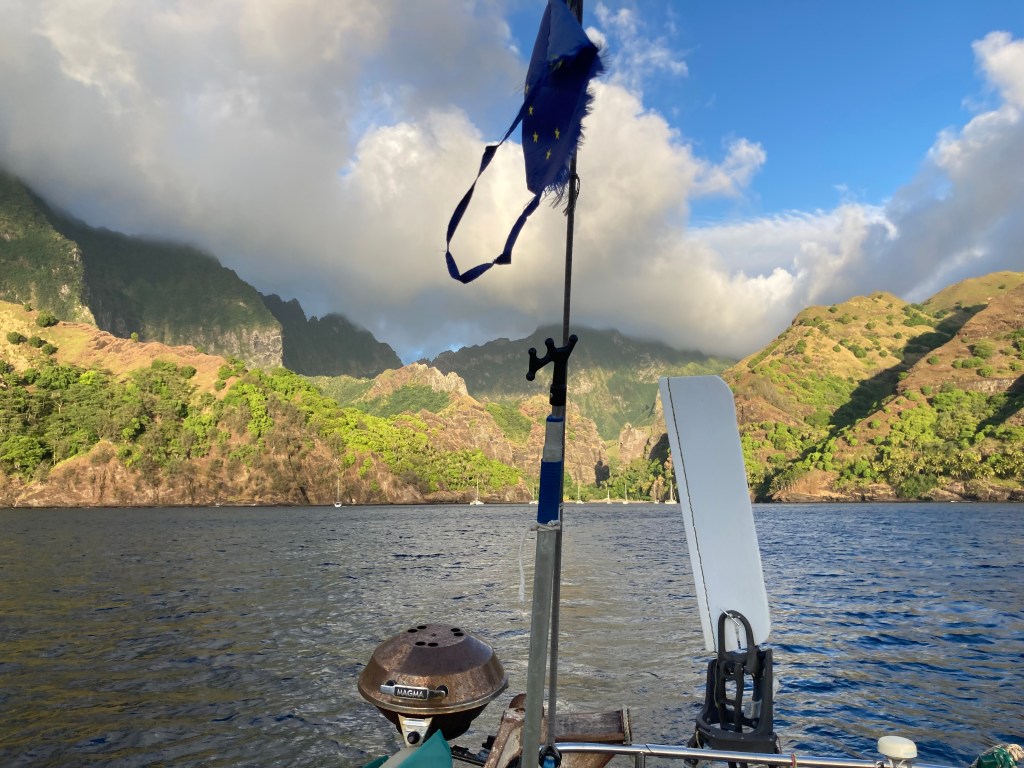
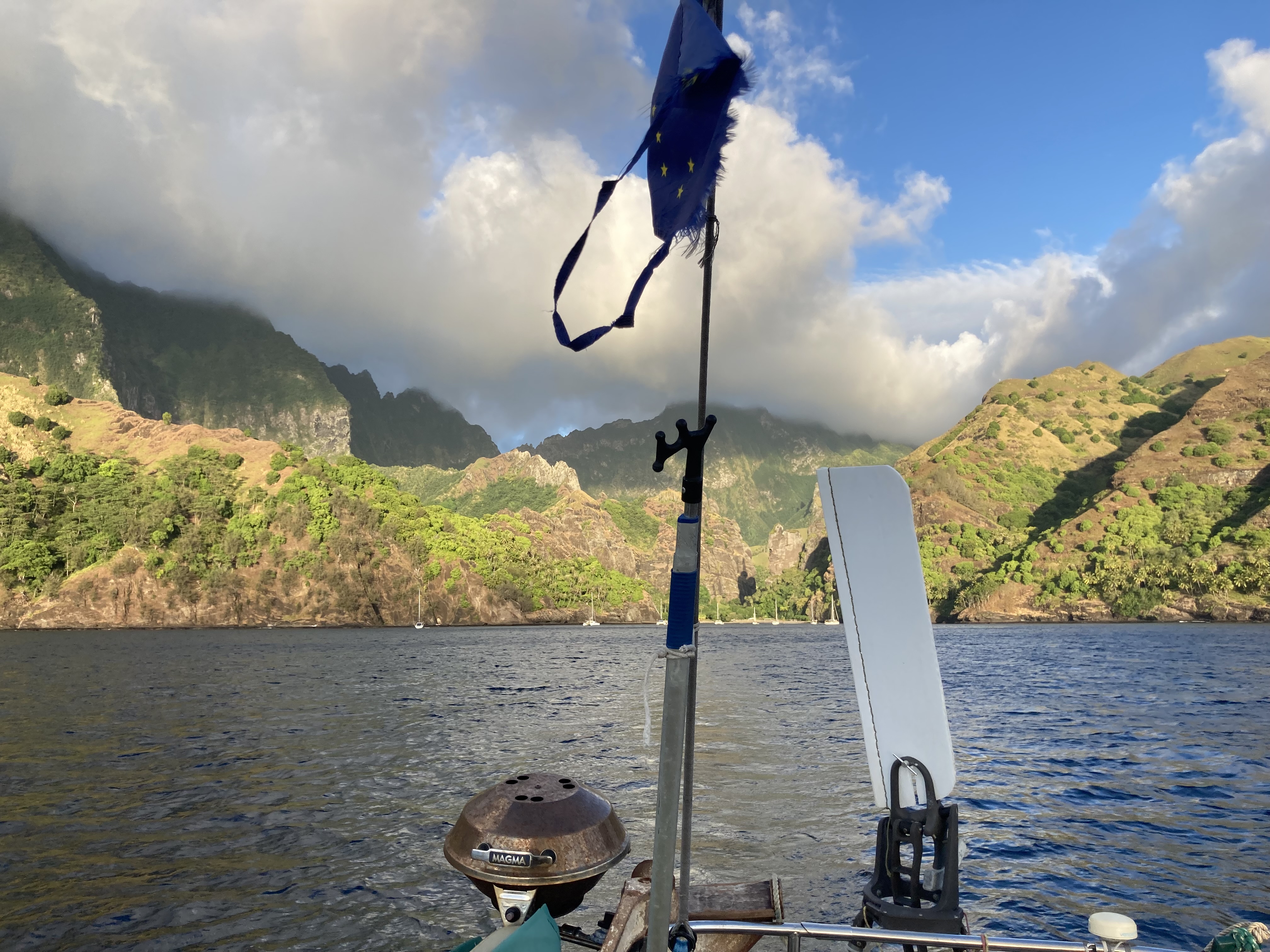 Of all the peaks which deserve snow, those closest to the equator and therefore most unlikely to ever receive it before the waves wash them away, are the Marquesas. Undoubtedly some of the most beautiful islands I have ever sailed to, with clear bays filled with manta rays, sharks, and dolphins, tucked in among cliffs and basalt spires rising thousands of feet above the waves. And among these fluted peaks and cliffs are dozens of waterfalls, some trickles, some torrents with deep cool pools at their bases. Floating in the refreshing water of the falls gazing up at 1000ft of smoothly eroded basalt, with tropic birds and the occasional Marquesan parrot flitting through the dense branches of mango trees, palms, banyan and giant ferns, it is hard not to picture everything frozen and silent. The only noise coming from the heavy breathing and rhythmic swing-swing/kick-kick of a climber moving up the torrent turned solid by cold temperatures which will never reach these islands.
Nowhere else have I felt the Polynesian culture so strong either, the people were incredibly kind and welcoming, speaking Marquesan far more often and fluently than the official language of French, which really is just a bunch of grunts strung together. In the months I spent in these islands I never payed fruit, yet Mistral was always overflowing with passion fruit, pamplemousse, bananas, and mangos, because it is impossible to walk down the street without finding a tree dripping with mangoes by the side of the road or being gifted a bunch of bananas, half a dozen mangos or a basket full of passion fruit.
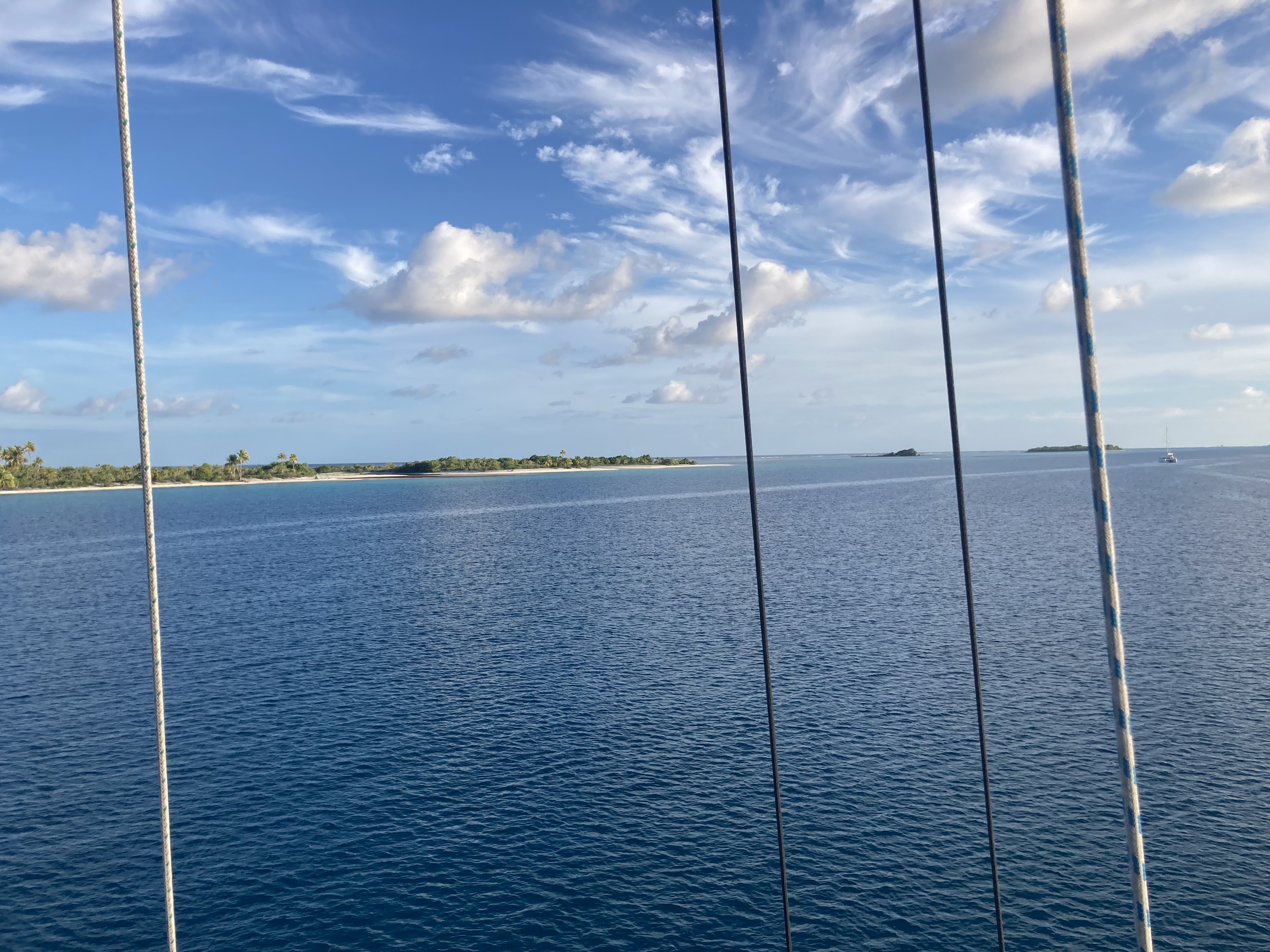 The next archipelago to the west is the Tuamotus, which with a maximum land elevation of about 10ft above sea level and the average width of the land at abouit 100m, would be better suited to cross country skiing if they ever felt snow on the sun scorched coral of which these islands are composed. Here resources are scarce, the only fresh water coming from rainfall and the soil barely able to support much other than coconut palms and a few hardy bushes. The lagoons though are beautiful even if they offer no prospect of skiing, the waters are intensely clear and deep with living coral bommies scattered through the lagoon surrounded by fish and sharks, mostly harmless reef sharks with the occasional grey inside the lagoon, but the passes are full of tigers and hammerheads, often in schools of several hundred.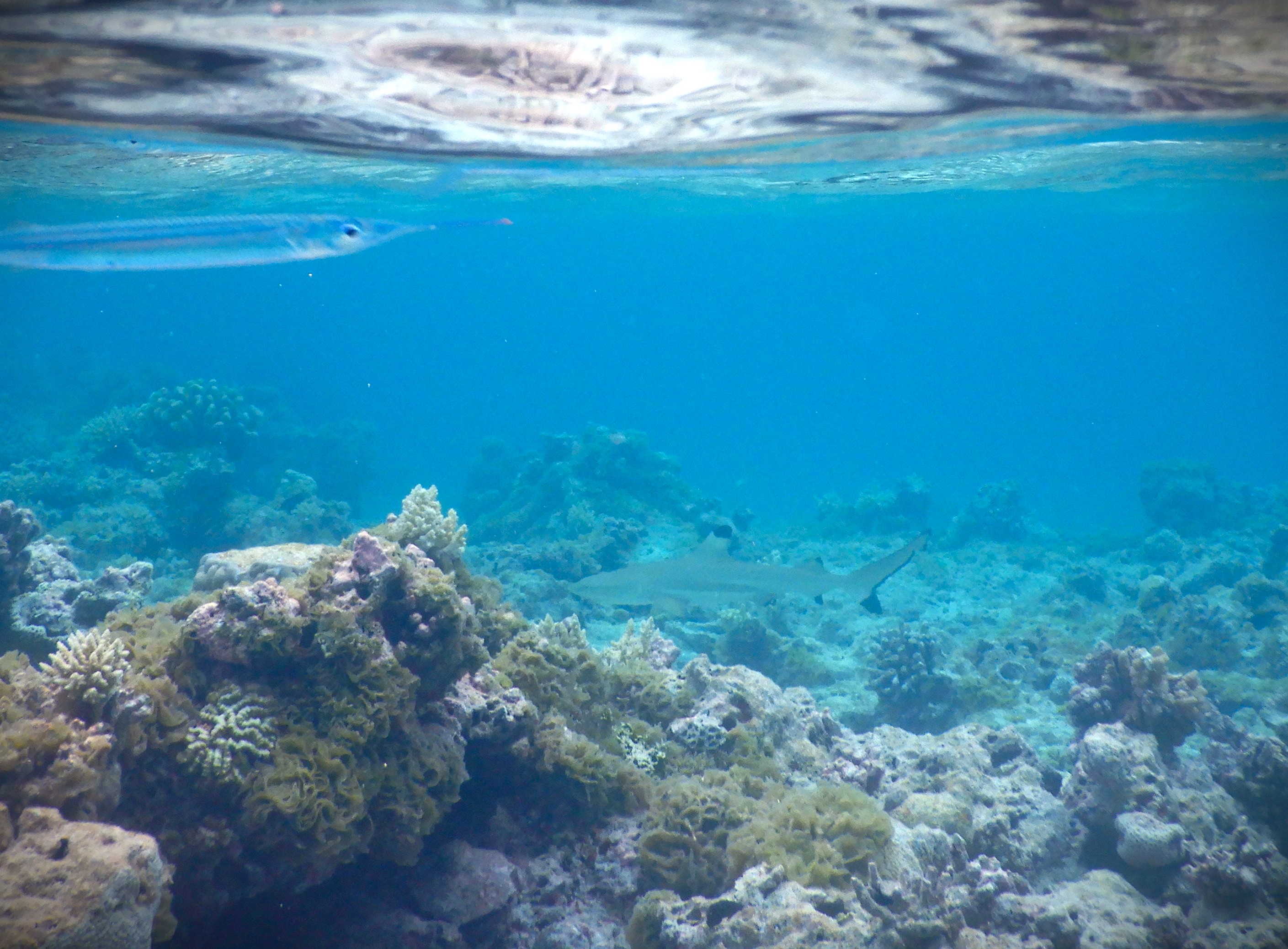
Beyond the Tuamotus are the Society Islands, rising high, but not so steep as the Marquesas. Encircled by Barrier reefs which protect the numerous bays of the islands from ocean swells. A sailor’s paradise, it is unfortunate that such protective barrier reefs can only form in warm tropical seas. The encircling coastal plain quickly rises to rolling foothills giving way to steep concave slopes would offer endless opportunities for glades and easy backcountry laps, but if the surf culture is anything to go by these would all too likely become gatekept by jealous locals, much like Seldovia. Here however i can sympathize a bit more with locals who are fed up with endless streams of French tourists and sailors who treat this slice of paradise as their own with little regard for the people who have inhabited these islands for over 1000 years. The French influence and resentment is felt strongest in the Society Islands, however for the most part the Polynesian welcome is extended even here, where it is difficult to walk a kilometer down the road without being offered a ride by passing cars at least three times. And if a ride is accepted it is usually followed by a gift or offer of more of the delicious fruits of the islands. 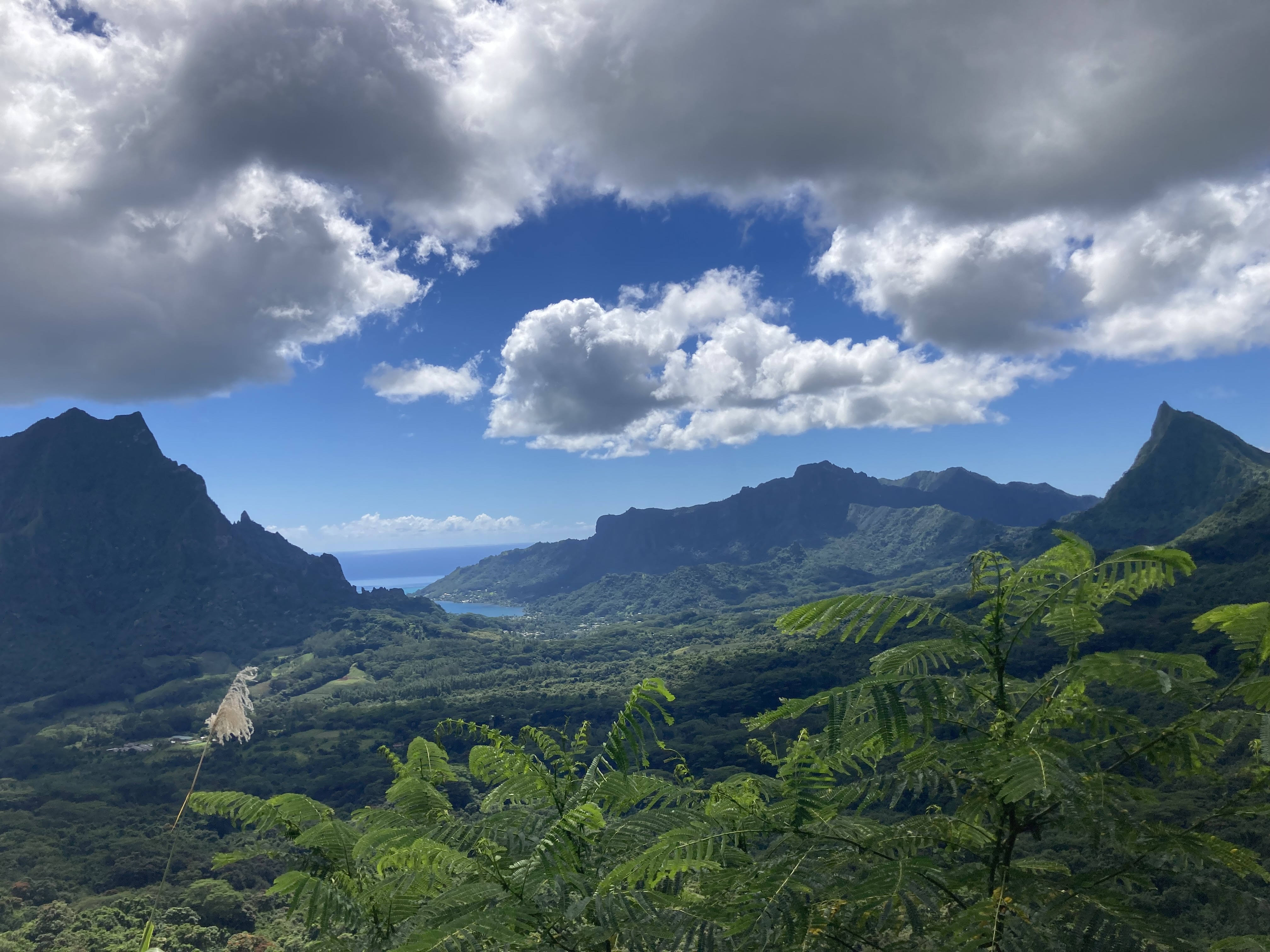
Departing the Society Islands and French Polynesia, a rough and squally 500 miles brought Mistral to Rarotonga, bustling capital of the Cook Islands. Little known to Americas, the cooks are an extremely popular vacation destination for Aussies and Kiwis seeking a taste of the tropical paradise of Polynesia. The almost perfectly circular island of Rarotonga is closely surrounded a fringing reef with no passes or deep lagoons, so the only harbor on the island is manmade and small, mostly given over to commercial shipping and local fishermen, with some room for a few sailboats to squeeze in between. But what it lacks in harbors, Rarotonga more than makes up for in other ways. The mountains for one thing are many and varied, and although they only rise to a maximum of 600m above the sea, the many peaks are truly spectacular. If only the impenetrably dense forests were cleared and the island lay 2000mikes further south, the ridges and valleys would be a skiers paradise. The second most important thing about the Cook Islands is the food. Nowhere except Mexico have I found such value for money, and the burger happy hour at the shack in the port has to be the best deal in the world: from 8am to 8pm Wednesday, a full sized 1/2 pound medium rare patty of fresh beef with all the fixings, cheese, and egg, plain, bacon, or pineapple to your preference, for a whopping $3.50NZ or just under $2USD. But the best and most important thing to know about the Cooks is that they are by far the friendliest people you will ever meet.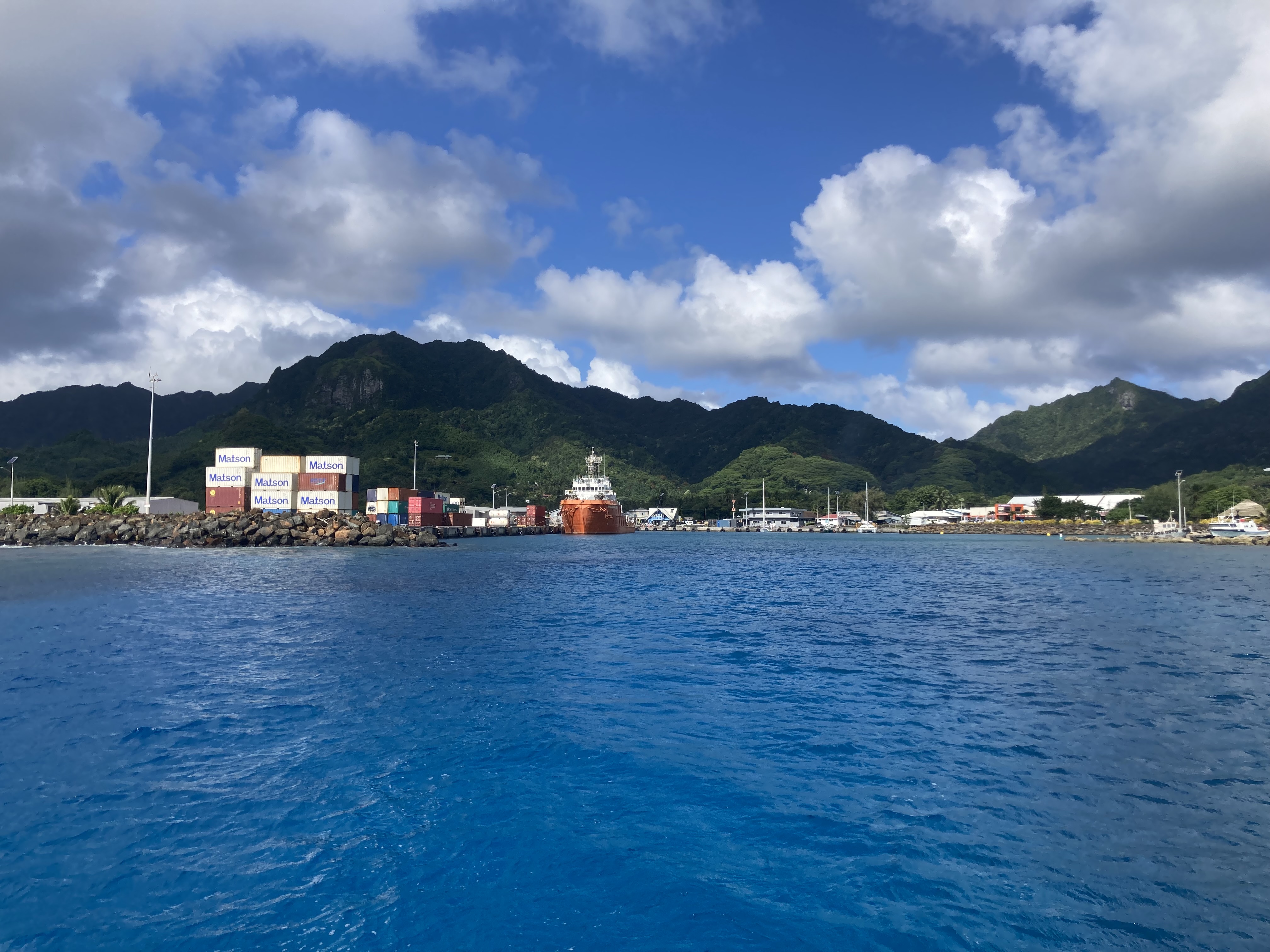
Still no snow, but at least here in the Cook Islands we seem to be getting closer, at 20 degrees south latitude Rarotonga is approaching the edge of the tropics, and on an overcast day with the wind from the south one could almost stand to wear a long sleeve shirt, a thing unheard of aboard Mistral ever since she passed 20 degrees north on the west coast of Mexico early in 2025. Now on the tiny island of Aitutaki, 140 miles north of Rarotonga, Mistral is securely tucked into a corner of the newly dredged harbor in the shallow lagoon, somewhat protected by the 50m height of the island, but mostly relying on the four stout lines tying her to boulders on shore, conveniently placed by the super friendly and helpful dockworkers, with a smile, a shaka, and a “no worries.” Here Mistral will rest for a couple of Months while Angi and I head to Bristol bay to tender salmon and gaze longingly at peaks which actually do get graced by snow. 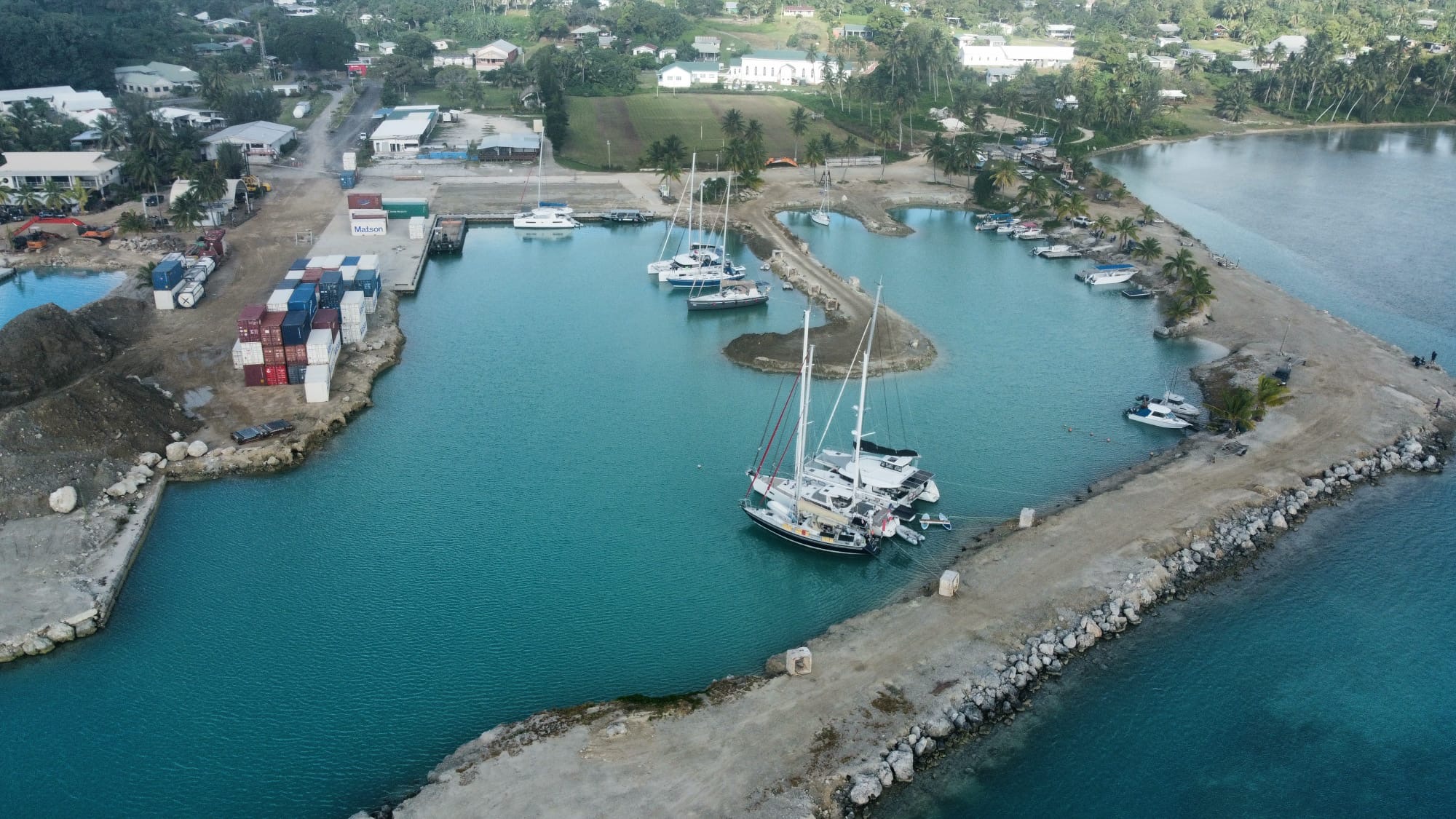


Leave a comment